
Restaurants
In Michigan, the staff of restaurants, including waiters, bartenders, bussers, hosts, and even cooks, are frequently the victims of flagrant wage violations and harassment. Restaurants are increasingly relying on illegal tip pools and tip-sharing programs to minimize the wages they pay to workers out of pocket. Additionally, several employers wrongfully pay employees under the table to avoid paying taxes associated with coverage such as workers' compensation.
The restaurant industry is also a hotbed for sexual harassment and discrimination. This harassment comes in many forms.
The best way to determine if your treatment or an employer's practice is lawful is by calling us at (313) 246-3590 and speaking with one of our attorneys.
Truck Drivers
The legal issues that face truck drivers and other individuals employed in our nation's transportation industry is our specialty. We represent a variety of employees in a wide range of issues. Most retaliation and harassment faced by truck drivers for refusing to break the law or put themselves or others on the road at risk is prohibited under the Surface Transportation Assistance Act (STAA).
Truck drivers and individuals employed by the "big box" shipping companies also face a wide-range of issues including but not limited to permit and insurance violations, torts, and the loss or suspension of one's Commercial Driver's License (CDL). Our practice helps drivers navigate the tricky administrative process and through any appeals of prior decisions.
Non-compete Agreements
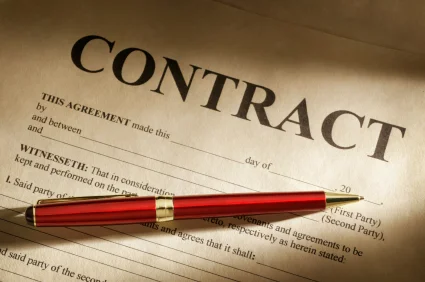
Many employers ask employees to restrict their future activities through non-competition and non-solicitation provisions. These “restrictive covenants” purport to prevent unfair competition against the employer, but they often set unreasonable limits on individuals’ free enterprise and right to earn a living. Under Michigan law, a non-compete is only enforceable if it protects legitimate business interests and to the extent it is not overbroad in scope (i.e., duration, distance and type of employment). A non-compete may seem insignificant at the time an employee is asked to sign it (often at the beginning of employment)—but workers beware: non-competes can come back to bite. Many companies use them to intimidate employees who leave for another job opportunity. But rather than be intimidated by such “reminder letters,” employees should consult with an attorney. Schulz Law PLC frequently helps employees in these situations.

Workers have rights.
As a worker, it is often a very scary thought of challenging an employer who is committing wage violations or other unlawful practices. Thankfully, the law is explicitly clear that employees who stand up to unlawful practices are protected from retaliation. However, these laws only carry value if employees utilize them. Thus, an employer will likely continue to avoid paying you overtime, deny you leave, or unlawfully siphon your tips until you voice your concerns.
Wage Theft
An employee can collect wages withheld in violation of minimum wage and overtime provisions under the Fair Labor Standards Act (FLSA). Further, legal action can be taken to recover money owed for back wages, underpaid wages or the breach of a contract.
FMLA
The Family and Medical Leave Act (FMLA) is a federal law that entitles eligible employees to job-protected unpaid leave, or to substitute paid leave, when dealing with their own serious health condition, a serious health condition of a family member, or the birth or adoption of a child. The FMLA requires employers to provide eligible employees time off from work for FMLA qualifying reasons. It also prohibits employers from interfering or retaliating against employees' exercise of these rights.
Whistleblower
Federal and state laws provide protections to employees who report a violation of law being committed by their employers. This reporting can take many different forms, but may involve, for example, reporting a safety violation under the Occupational Safety and Health Act (OSHA), an act of securities fraud, a violation of an environmental law or regulation, or a violation of the Health Information Personal Privacy Act (HIPPA). Most whistleblower laws protect employees from retaliation after they have reported the violation externally, to the governmental agency in charge of enforcing the regulation being violated. However, some whistleblower laws even protect employees who report violations internally.
Severance Agreements
Employers sometimes offer severance agreements to employees upon termination. These are offers of money in exchange for the employee waiving rights and claims related to their employment, such as a claim for wrongful discharge. Severance contracts frequently also bind an employee to confidentiality regarding their employment, and these provisions alone may be unlawfully overbroad. When offered a severance, employees should carefully review the contract to consider what they are being asked to give up. Employees age 40+ are entitled to consider a severance offer for at least 21 days before waiving any age discrimination claims. In any case, it is always advisable to consult with an attorney before accepting a severance agreement.
Contact Us Today!
Phone: (313) 246-3590
SCHULZ LAW PLC, 645 Griswold St. Suite #4100 Detroit, MI 48226